
Visual effects
VFX services from a studio that delivered 1,500 shots on one feature
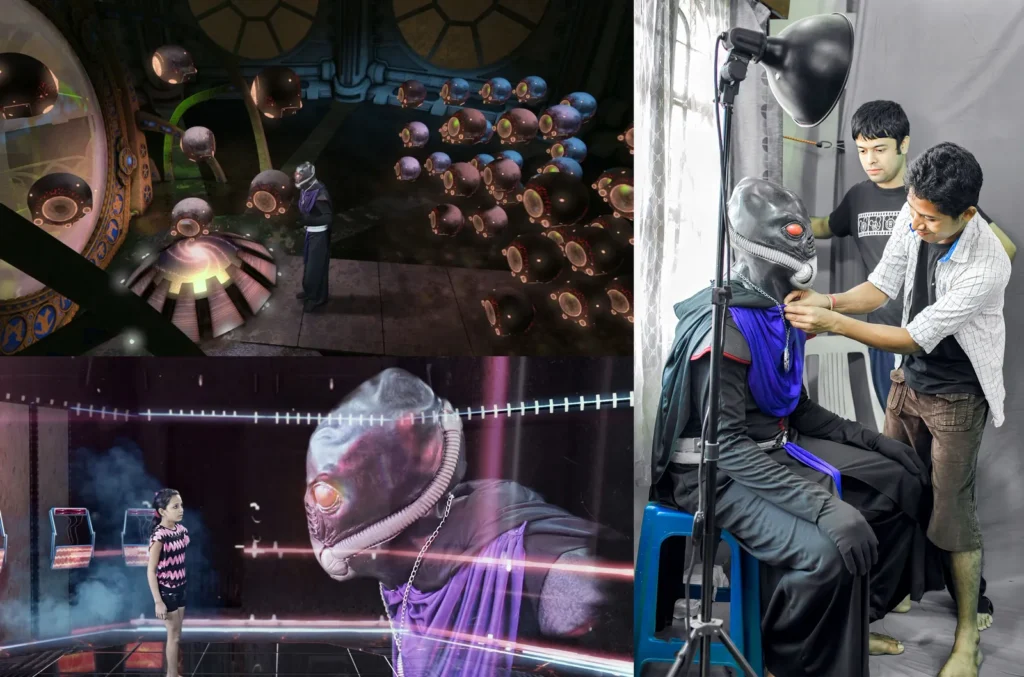
Compositing, set extensions, CG environments, clean-up and invisible effects for films, series, commercials and music videos, by the director behind the visual effects of Avataran.
Part of post-production · Also in this family: subtitling and dubbing · Related: film and series production · animated video production
What we do
What we do: visual effects and compositing
Good visual effects are the ones nobody notices. These are the effects we deliver.
Compositing
Green-screen and blue-screen keying, layering and integration that sits in the plate.
Set extensions
Locations made bigger, older, grander or entirely new around what you filmed.
CG environments
Skies, cities, palaces and landscapes built where none existed.
Clean-up and paint
Rigs, wires, signs and modern objects removed from period and fantasy scenes.
Mythological and fantasy effects
Divine light, fire, storms and transformations for mythological and fantasy films.
VFX supervision
On-set supervision and shot planning so the effects are cheaper in post.
How our VFX services work
Visual effects work starts long before compositing. Each effects shot is broken down, the method chosen, and the plate captured for the effect it will carry. That planning is what keeps visual effects affordable and believable.
The studio delivered more than 1,500 visual-effects shots on Avataran, and brings the same craft to commercials, music videos, series and mythological films. Finished shots are delivered back to your edit in your format and colour space.
On the record
Visual effects on the record
- Avataran (2021): more than 1,500 visual-effects shots, the first science-fiction feature of Assam
- Visual effects across the studio’s features, commercials and animated films
- VFX artists who trained on studio films now working in the industry
- Visual effects for the feature films Rudra (2025), Kooki (2024) and Rador Pakhi (Morning Sunshine) (2024): compositing, particle simulation, camera matchmove and integration with live actors
How we work
A director who composites
Effects work best when the person compositing understands the story and the camera. Here the director supervises the shoot and composites the shots, so plates are captured for the effect they will carry.
That saves money twice: fewer wasted shots on set, and fewer fixes in post.
Before and after
Avataran: plates and final shots


Behind the scenes
VFX breakdowns and green-screen shoots
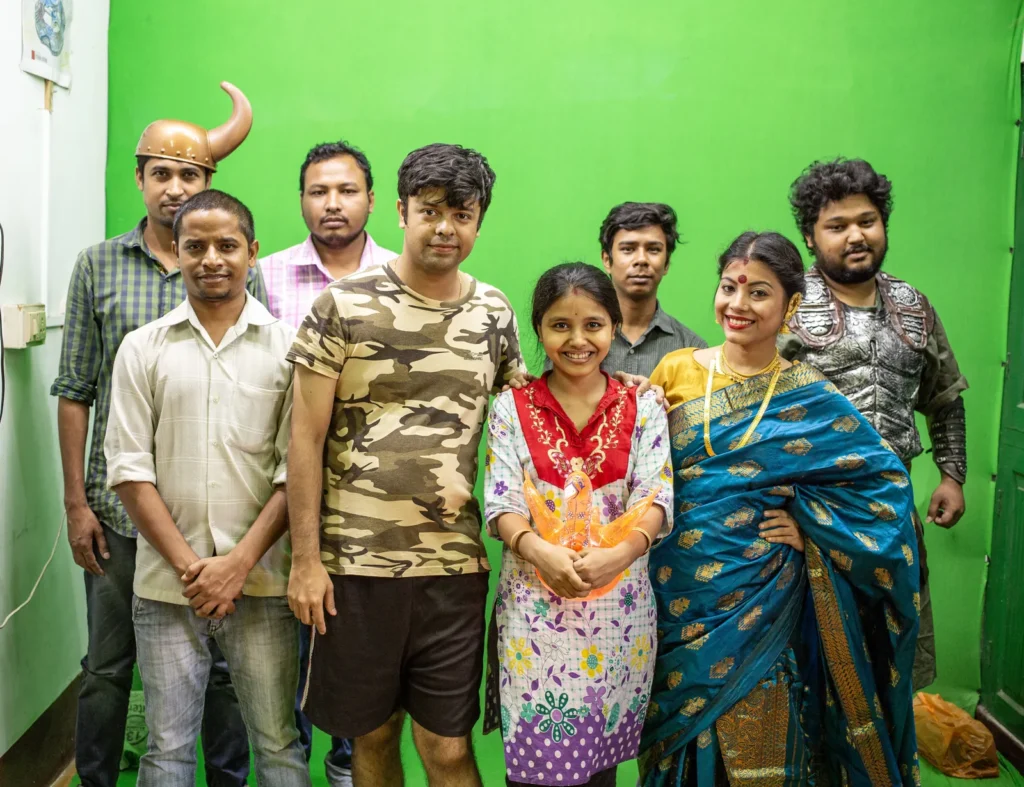
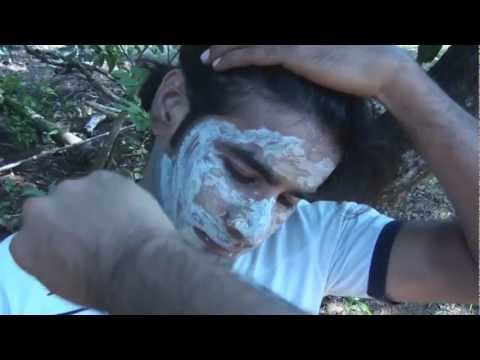
The proof of a visual-effects studio is the before-and-after. These breakdowns show plates, green screens and finished shots from the studio’s own films.


 2:53Just Like Paradise: VFX breakdown
 5:24Smaxaan Jatrar Gaan: cinematic VFX masterclass
 1:59My Love Is Vengeance: horror VFX
 4:27Topper: virtual set design and VFX breakdown
 2:37The Show Must Go On: VFX breakdown
 3:58My True Love: before and after VFX
 2:54Savages: VFX breakdown
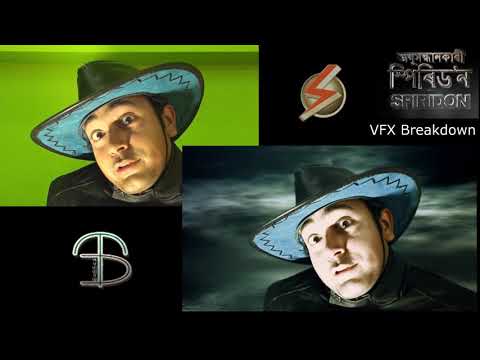 0:58Spiridon: Gili Gili VFX breakdown
 0:32Confronting the Monster Within: VFX short
 1:30Ghost VFX Breakdown: The Girl in the Photo
 1:09Award Ceremony Spoof VFX (Spiridon, DY365)
 0:26Video Style Transfer Study: My Love is Vengeance
 Confused Romeo: release promo
 2:37Roop AI vs traditional face swapping
 1:06The mysterious pillars: Spiridon VFX breakdown
 0:50C: a cinematic VFX short
 1:01A giant VFX villain’s Bihu dance
How it runs
How a VFX project runs
- Breakdown: every effects shot listed, with the method for each.
- Plates: on-set supervision, or a review of footage you have shot.
- Look development: the key shots designed and approved first.
- Shots: composited and reviewed in batches.
- Delivery: finished shots to your edit, in your format and colour space.
Every stage has a named review gate. See the full process.
Questions
What to send for a visual-effects breakdown
A clear breakdown starts with the right material. The more of this you can share at the start, the more accurate the shot list, the options and the schedule will be.
- The edit: a reference export of the cut with burned-in timecode, plus the edit list or project file, so every effects shot can be found and counted.
- The plates: the camera-original footage for each shot, not a compressed copy. Keying, tracking and clean-up all depend on the detail in the original files.
- Camera notes: camera, lens, frame rate and any on-set measurements or reference photos. They make camera matchmove faster and more exact.
- The look you want: reference images or films, and any concept art for skies, environments, creatures or divine effects.
- Delivery details: the format, resolution, colour space and the date the shots must be back in your edit.
In return you receive a shot-by-shot breakdown: what each shot needs, the method proposed for it, and clear options where a simpler approach would serve the story just as well.
Planning a green-screen shoot that works in post
Most effects problems are made on set, not in the computer. These are the mistakes that turn a simple composite into an expensive one, and how a supervised shoot avoids them.
- Uneven light on the screen. The screen is lit separately from the actors, evenly and without hot spots, so the key is clean from edge to edge.
- Actors too close to the screen. Distance stops green light spilling onto skin, hair and costume.
- Green or reflective costume and props. Wardrobe is checked against the screen colour before the shoot day.
- No tracking markers on moving shots. Markers are placed wherever the camera moves, so the background can be tracked to it.
- Lighting that does not match the final world. The actor is lit for the place they will appear in, not for the studio they stand in.
- Heavy motion blur and compressed recording. A faster shutter and the highest-quality recording setting give the key more to work with.
When the studio supervises the shoot, these are planned shot by shot from the storyboard. See storyboards and previsualisation for how effects shots are drawn before the camera rolls.
How shots are reviewed and approved
Shots are not shown one at a time as they are finished. The key shots that set the look of a sequence are designed first and approved as look development. The remaining shots are then composited and sent in batches, each as a review copy with the shot number and timecode, so your notes can point to an exact frame.
Each batch is checked in the context of the cut, not on its own: a sky or a set extension must match the shots on either side of it. Notes are gathered into one list per batch, and the agreed changes come back in the next batch. Once a shot is approved, it is rendered at full quality and delivered for the grade.
Tools, and where AI fits
Compositing, tracking and paint are done in industry tools such as Adobe After Effects, Nuke, Mocha and SynthEyes, with 3D elements built in packages including Blender and Maya. AI tools such as Nano Banana 2.1 and Kling are used where they help: exploring concept frames for a look, or generating elements that are then composited, graded and checked by eye like any other plate. Every shot is directed and finished by people, and judged in the context of the cut.
Finished shots go back to your edit in the format and colour space it uses, ready for the grade. For the rest of the finish, see post-production, or start a project with your shot list.
Questions about VFX
What is VFX in film?
Visual effects, or VFX, are images created or altered after filming: a sky replaced, a location extended, a creature added, a rig removed. They let a film show what could not be filmed, or could not be filmed affordably.
Can you do VFX for a film we have already shot?
Yes. Send the edit and the plates; we break down the shots, quote them and deliver finished shots back to your edit.
What is the difference between VFX and CGI?
CGI means computer-generated imagery, such as a 3D environment or creature. VFX is the wider craft that includes CGI along with compositing, clean-up and set extension.
How do you price VFX shots?
Shot by shot, by complexity. You receive a breakdown with clear options, so you can decide which shots matter most.
Is TD Film Studio a VFX studio in Guwahati?
Yes. Visual effects and compositing are made at the studio in Six Mile, Guwahati, including the 1,500+ visual-effects shots of Avataran, the first science-fiction feature film of Assam.
Related services
- Architecture and interior design: 3D rendering and walkthrough films
- Post-production: editing, colour, sound and motion graphics
- Feature films, web series and short films: development to delivery
- Scripts and storyboards: writing and planning before the shoot
- All services: the full list, from animation to teaching
- The studio on YouTube: films, song-films and devotional cinema
Send us your effects shots
Share the edit or a shot list and the delivery date. You will hear back within one working day.