
Graphic design
Graphic design services: posters, logos, covers and campaigns
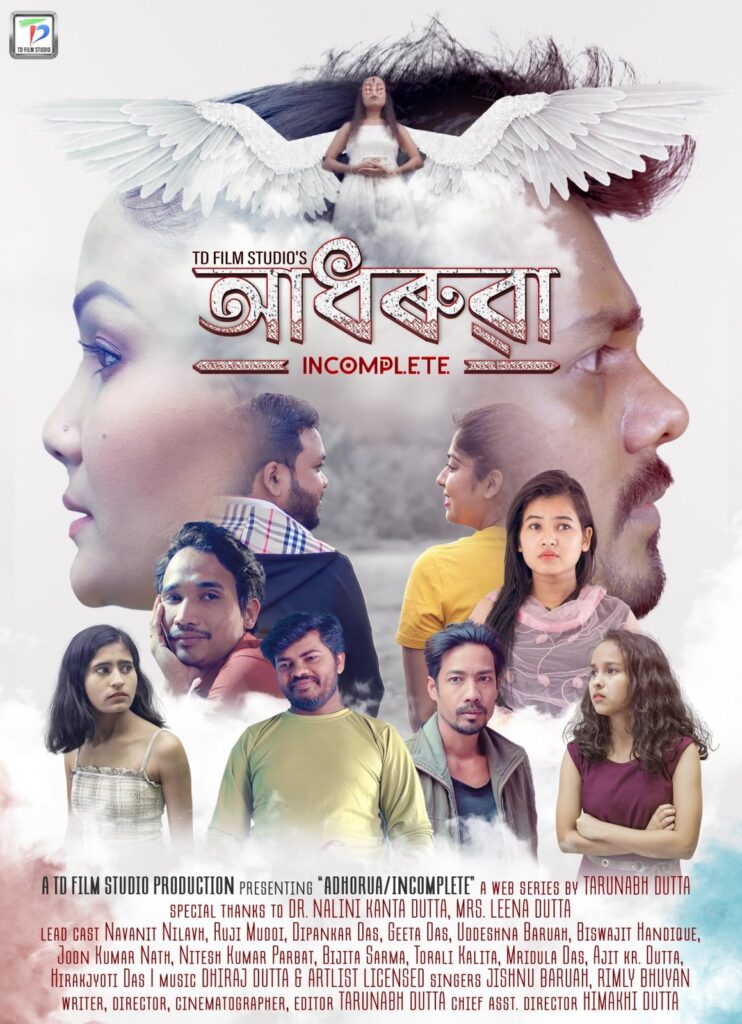
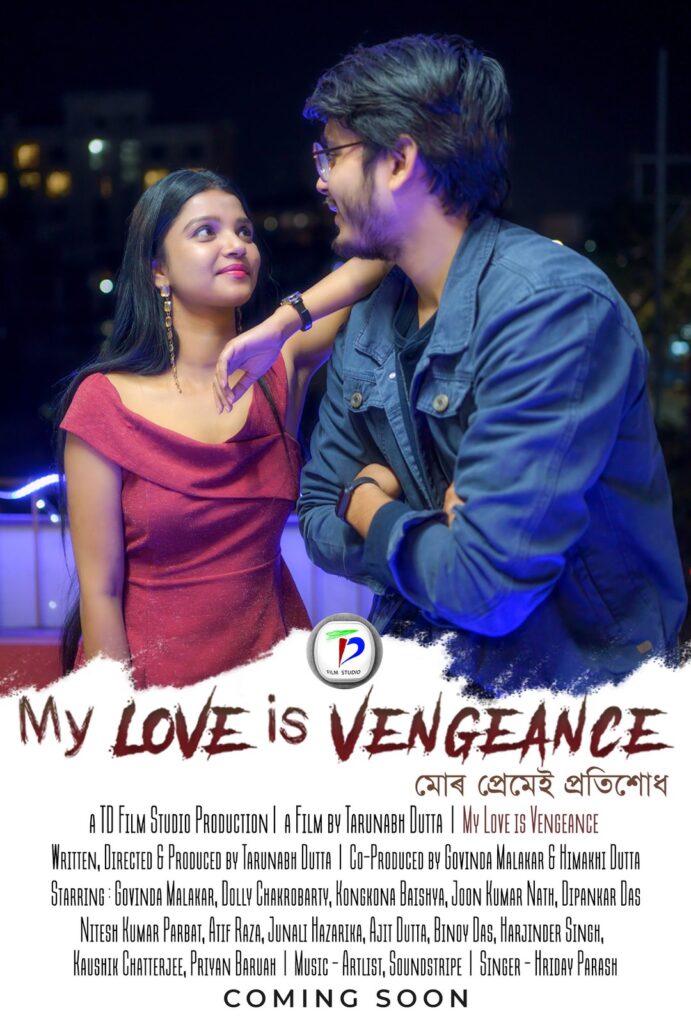
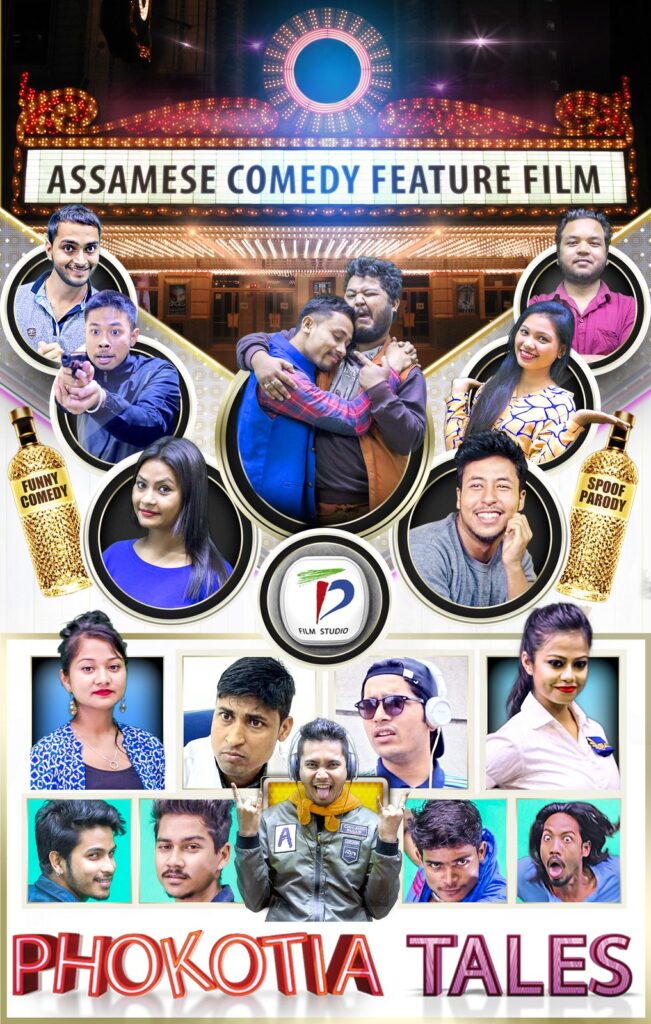
Film posters, logos and animated logos, book covers, brochures, hoardings, social media designs and YouTube thumbnails, designed by the studio that makes the films, campaigns and channels behind them.

What we design
Design for films, brands and creators
Every design is made to be seen at a glance, on a hoarding, a phone screen or a bookshop shelf.
Movie poster design
Posters for features, short films, web series and music videos, with key art, title design and versions for print and social media.
Logos and animated logos
Logo design and identity, and animated logo stings with sound.
Book cover design
Covers for print and ebooks, and animated book trailers to launch them.
Brochures, magazines and hoardings
Print campaigns: brochures, magazine layouts, posters, standees and hoardings.
Social media and YouTube thumbnails
Post and story designs, channel art and thumbnails built to be clicked.
Trailers, teasers and title design
Titles, motion graphics, trailers and teasers. See post-production services.
Campaign
A campaign, from first sketch to final print
For Nilachal HP Gas Agency’s “Appu” 5 kg cylinder, the studio made the campaign film, the hoardings, the brochures and the posters, so every piece told the same story.
The finished 30-second Appu TV commercial plays on the commercials and corporate films page.
On the record
Design on the record
- Campaign film, hoardings, brochures and posters for Nilachal HP Gas Agency’s “Appu” campaign
- Print and digital advertisements for Dornier Systems
- Magazine design and layout
- Titles, motion graphics and channel art for the studio’s own films and channels
How we work
Design that comes from cinema
A poster is a film in one frame. The studio designs the way it directs: one strong image, one clear idea, and every detail serving the story.
Because the studio also makes the films and campaigns, the design can carry straight into motion: titles, trailers, animated logos and social videos.
For business, print and web
Design for brands, print and the web
Beyond film posters, the studio designs the everyday graphics a business, an institution or a creator needs. They share the visual language of the films, so a brand looks like one brand everywhere.
Branding and corporate graphics
Logo design, branding graphics, corporate graphics, letterheads, business cards and custom stationery, delivered as print-ready and digital files.
Print media and outdoor
Brochures, flyers, magazines, posters, invitations, hoardings and billboard graphics, sized and colour-managed for the printer you choose.
Web, app and social graphics
Website graphics and web design layouts, app screen design, advertisement design, social media graphics and YouTube thumbnails and channel art.
Every design is drawn by a studio that also animates, so a logo can become an animated logo sting and a poster can become a trailer. See more of the studio’s design and poster work on its portfolio and on YouTube.
How it runs
How a design project runs
- Brief: what the design must do, where it will appear and the deadline.
- Concepts: two or three directions as sketches or rough layouts.
- Design: the chosen direction, refined with your feedback.
- Versions: sizes for print, web, social media and screens.
- Delivery: print-ready and web files, with source files on request.
Every stage has a named review gate. See the full process.
Questions
How to brief a poster, logo or campaign
A good brief saves a round of changes. Before the first sketch, the studio asks for the following. You do not need all of it at once, but the more that arrives at the start, the closer the first concepts will be.
- What the design must do: sell tickets, launch a product, announce an event, or make a channel recognisable at a glance.
- Where it will appear: a hoarding, a cinema lobby, a phone screen, a book cover, a brochure or all of them. Each place changes how big the title must be and how much detail survives.
- The text that must be on it: title, tagline, credits, dates, address, logos of partners. For film posters, the billing block (the credits at the foot of the poster) should be checked and approved before it is placed.
- The images you have: film stills at full resolution, product photos, existing logos and fonts, and any brand guidelines.
- References: two or three designs you like and one you do not. A clear dislike is as useful as a like.
- The deadline and the printer: when it must be live or printed, and who is printing it, so sizes and colour settings match from the start.
The files you receive
Every design is delivered ready for the place it will be used. The exact list is set out in the quote; a typical delivery includes:
- Print-ready files, in CMYK with bleed and crop marks at the size your printer needs, for posters, brochures, hoardings and stationery.
- Web and social files in RGB, sized for each platform: feed posts, stories, channel art, thumbnails and website banners.
- Logo files in vector form for any size, plus colour, single-colour and reversed versions, so the logo works on light and dark backgrounds.
- Source files on request, with the usage rights agreed in writing.
- Motion versions where ordered: an animated logo sting, a moving poster or titles, made by the same studio that makes the trailers and teasers.
A film poster, step by step
Poster design for a film starts with the story, not the layout. The studio watches the film or reads the script, then looks for the one image that holds its feeling: a face, a place, a moment of tension.
- Key art: the central image, from a film still, a photo shoot, an illustration or a composite built for the poster.
- Title design: lettering made for the film, tested at the size of a phone thumbnail and of a hoarding.
- Layout: title, tagline, release line and the billing block arranged so the eye moves in the right order.
- Versions: the one-sheet, a landscape banner, social squares and stories, and a thumbnail for the trailer.
The same key art then carries into the trailer titles and the release posts, so the film has one face everywhere. See the films it was made for on the films page.
Common design mistakes, and how they are avoided
- Too much text. A poster is read in seconds. One title, one image and one line say more than a paragraph.
- Low-resolution images. A frame grab that looks sharp on a laptop can blur on a hoarding. Full-resolution stills or a new key art image are planned at the brief.
- Testing a logo only at large size. Every logo is checked as a small social icon and in a single colour before it is approved.
- Printing without a proof. Colours on screen and on paper differ, so a printed proof is recommended for any large print run.
- Designing each piece separately. In a campaign, the poster, the hoarding, the brochure and the campaign film share one idea, so the brand looks like one brand everywhere.
Tools, and where AI fits
Layouts, retouching and print files are made in Adobe Photoshop and standard design tools. AI image tools such as Nano Banana 2.1 help explore early concepts and key art quickly. Every chosen direction is then refined, retouched and finished by hand. The designer sets the type, layout and colour. See finished design and poster work across the portfolio, or start a design project.
Design terms you will meet
A few words come up in every design brief, proof and print order. In plain terms:
- Key visual: the main image of a campaign, repeated across the poster, the hoarding, the brochure and the social posts.
- Raster and vector: a raster image is made of pixels and blurs when enlarged; a vector file is built from shapes and stays sharp at any size. That is why logos are drawn as vectors.
- Resolution: how much detail an image holds. Print needs far more than a screen, so each picture is checked at the size it will finally be printed.
- Safe area: the part of a design kept clear of trimming, cropping and platform buttons, where titles and logos sit.
- Spot colour: a single mixed ink matched by number, used when a logo colour must be identical on every print run.
- Mock-up: a preview of the design on a hoarding, a book or a phone, so you can judge it in place.
- Typeface and font: the typeface is the design of the letters; a font is one weight or style of it.
Feedback, rounds and sign-off
The number of rounds of changes is written in the quote. To get the most from each round:
- Send one set of notes. When a marketing team, a director and a producer all review, one person gathers the comments into a single list.
- Say what is wrong, not only what to change. “The title is hard to read from across the road” leads to a better fix than “make it red”.
- Check the words early. Names, dates, credits and phone numbers are approved as text before they are laid out.
- Sign off in writing. The final approval names the exact version, so the files that go to print are the ones you approved.
Design that everyone can read
Good design is legible to the widest audience. Text is set with strong contrast against its background, never as thin, light type over a busy picture. Key information is never carried by colour alone, so it still reads for people with colour blindness. On a brochure, a business card or a letterhead, small text is kept to a readable size.
When a design carries more than one language, such as English with Assamese or Hindi, each script sets at a different width and height. Layouts for multilingual posters, invitations and brochures are planned with room for every script from the first sketch.
The same rules carry into motion: titles, lower thirds and animated logo stings are finished in the studio’s post-production team. A brand then reads clearly on paper and on screen.
Questions about graphic design services
What kinds of design work do you offer?
Movie posters, logos and animated logos, book covers, brochures, magazines, hoardings, social media designs, YouTube thumbnails, titles and trailers.
How many rounds of changes are included?
The rounds of changes are set out in the quote before work starts, usually with two or three rounds per design.
Do you print?
You receive print-ready files with the correct sizes and bleeds for your printer.
Do I get the source files?
Yes, on request, with the rights to use the design as agreed in writing.
Are you a graphic designer in Guwahati?
Yes. Graphic design, poster design and logo design are made at the studio in Six Mile, Guwahati, for businesses in Guwahati, across Assam and India, and for clients abroad. Briefs and approvals are handled online.
Related services
- Animated logo sting: ordered like a product
- Trailers and teasers: film, book, music and brand trailers, animated or live action
- Commercial video production: campaign films
- All services: the full list
Start a design project
Tell us what you need designed. You will hear back within one working day.